

Jawatha Mosque is an early Islamic-period landmark in Al-Ahsa, northeast of Hofuf, and part of the UNESCO-recognized Al-Ahsa Oasis. You can visit the mosque for its history and architecture, then add nearby heritage sites to a half-day outing.
- Location: Al-Kilabiyah village, Al-Ahsa Governorate
- Distance: about 15.1 km from a Hofuf hotel for visiting Jawatha Mosque
- Entry: free
Why Jawatha Mosque is significant
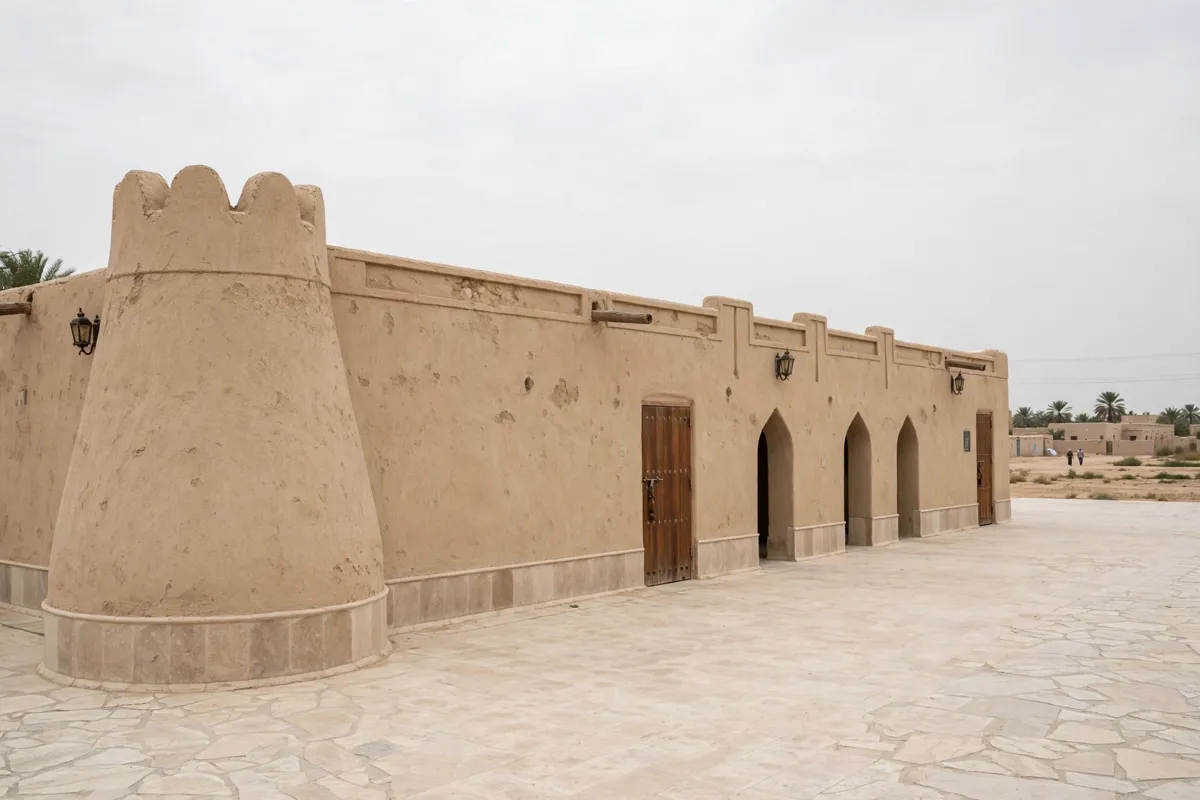
Jawatha Mosque is associated with the early Islamic period and is attributed to the Banu Abd al-Qays, also written Banu Qays. It formed part of ancient Hajar, serving as the city’s capital during that era.
The Saudi Press Agency describes Jawatha as the second mosque in Islam where Friday prayers were performed, after the Prophet’s Mosque in Madinah. The mosque is a component of the Al-Ahsa Oasis, an Evolving Cultural Landscape, which UNESCO inscribed in 2018.
Its layout has three arcades, with internal arches, mihrabs, windows and doors. Saudipedia gives the mosque’s area as 205.5 m² and its capacity as 170 worshippers.
Where is Jawatha Mosque, and how do you get there?
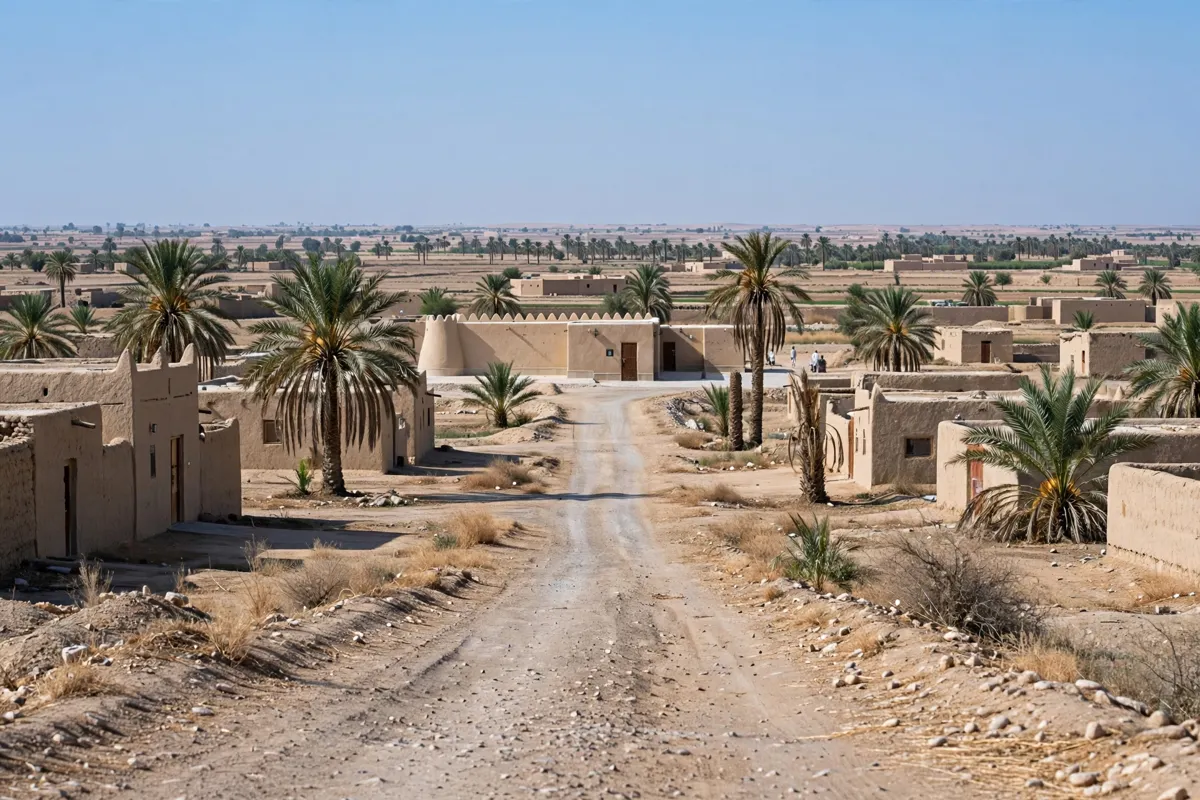
Jawatha Mosque is in Al-Kilabiyah village, northeast of Hofuf, in Al-Ahsa Governorate, Saudi Arabia. Saudipedia places it about 17 km from al-Hufuf.
For a map search, UNESCO’s nomination map marks the mosque component at 25°28′11.31″N, 49°40′42.53″E. Visit Al-Ahsa recommends travelling between stops on its Al-Qarah & Jawatha Trail by car, so plan transport before leaving Hofuf.
Jawatha Mosque also sits within the wider landscape of the Al Ahsa Oasis, a UNESCO-recognized cultural landscape with heritage sites across the area.
What should you know about visitor access?
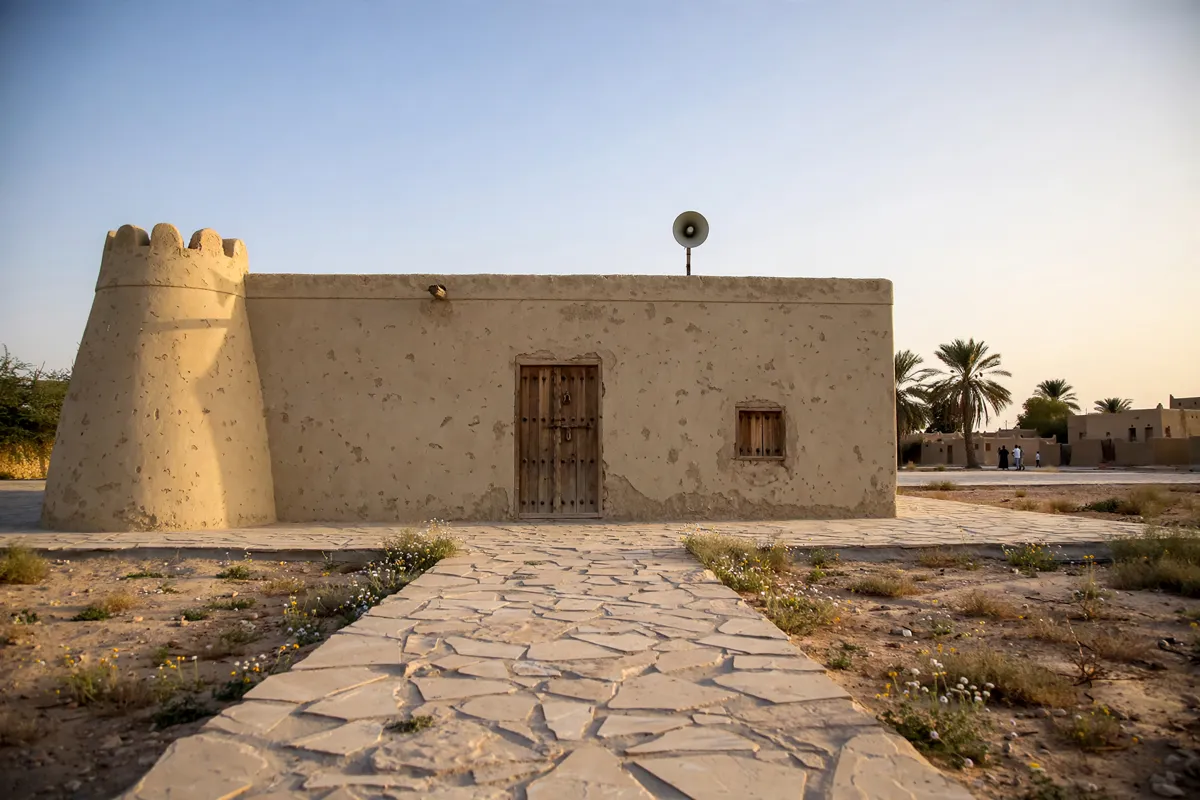
Entry to Jawatha Mosque is free, and the mosque remains open for daily prayers. Visit Saudi says non-Muslims may enter outside prayer times, while Visit Al-Ahsa advises modest dress and respect for the site’s sanctity.
Opening hours and access during prayer times can vary, so confirm access locally before travelling. Visit Saudi also recommends checking hours in advance; check the official Visit Al-Ahsa site before you go.
Jawatha Park is beside the mosque. It is open daily from 8 am to 12 midnight, with entry priced at SAR 10–15 per person; hours and fees may change.
What can you pair with Jawatha Mosque?
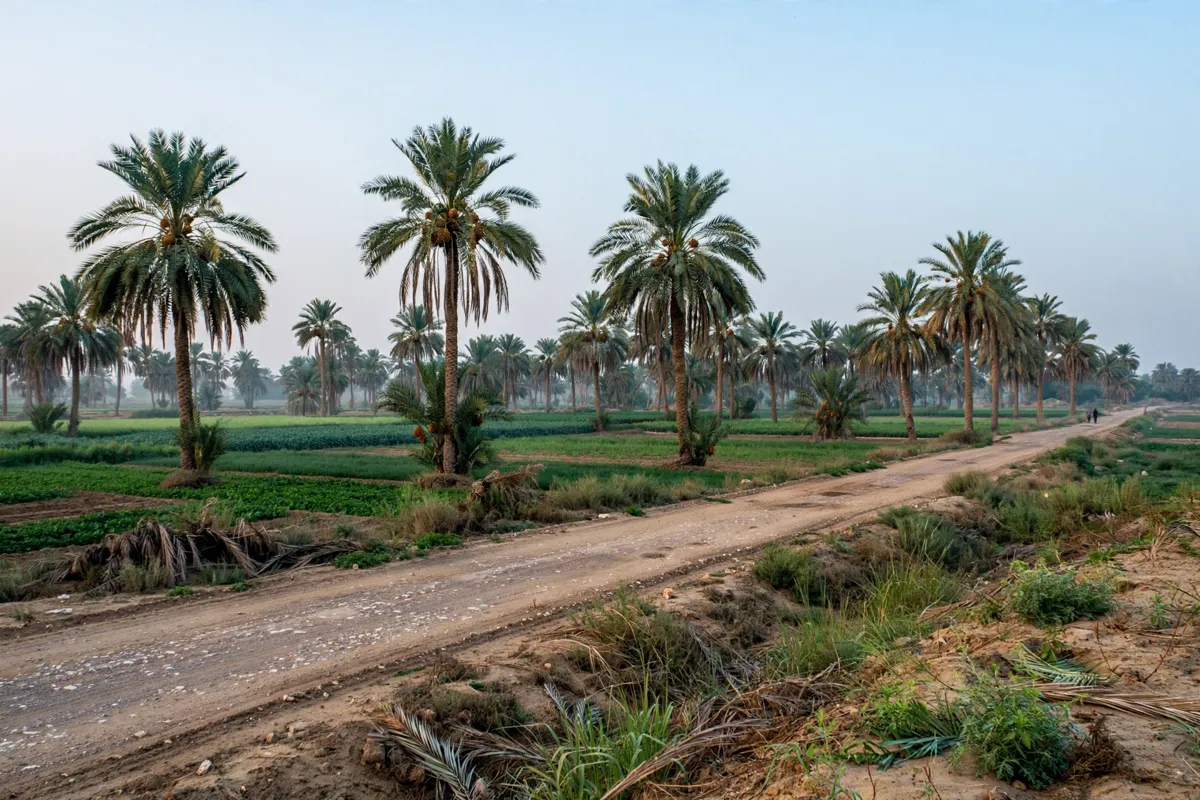
Visit Al-Ahsa’s Al-Qarah & Jawatha Trail links Jawatha Mosque and the archaeological site with Jabal Al-Qarah and Dougha Al-Gharash Pottery. The suggested duration for the three-stop trail is half a day, with travel between stops by car.
The Jawatha archaeological site is identified as nearby, and the adjacent park offers another stop beside the mosque. If you are planning time in Hofuf as well, a one-day Hofuf itinerary can help you arrange heritage visits and local markets around your schedule.
FAQs
Can non-Muslims visit Jawatha Mosque?
Yes. Visit Saudi says non-Muslims may enter outside prayer times; confirm access locally before travelling.
Is Jawatha Mosque part of a UNESCO site?
Yes. It is a component of the Al-Ahsa Oasis, an Evolving Cultural Landscape, inscribed by UNESCO in 2018.
How much time should you allow for the Al-Qarah & Jawatha Trail?
Visit Al-Ahsa suggests allowing half a day for its three stops and travelling between them by car.