

Al Qaisariya Souq Hofuf is a historic covered market in central Al-Hofuf, Saudi Arabia, with traditional shops, covered corridors and a mosque. Its location in the historic district makes it a natural stop alongside nearby heritage landmarks.
- Location: Al-Rifaa district in central Al-Hofuf.
- Layout: two blocks connected by an arch over Al-Hadadeen Street.
- Shops: UNESCO describes 422 shops in the reconstructed market.
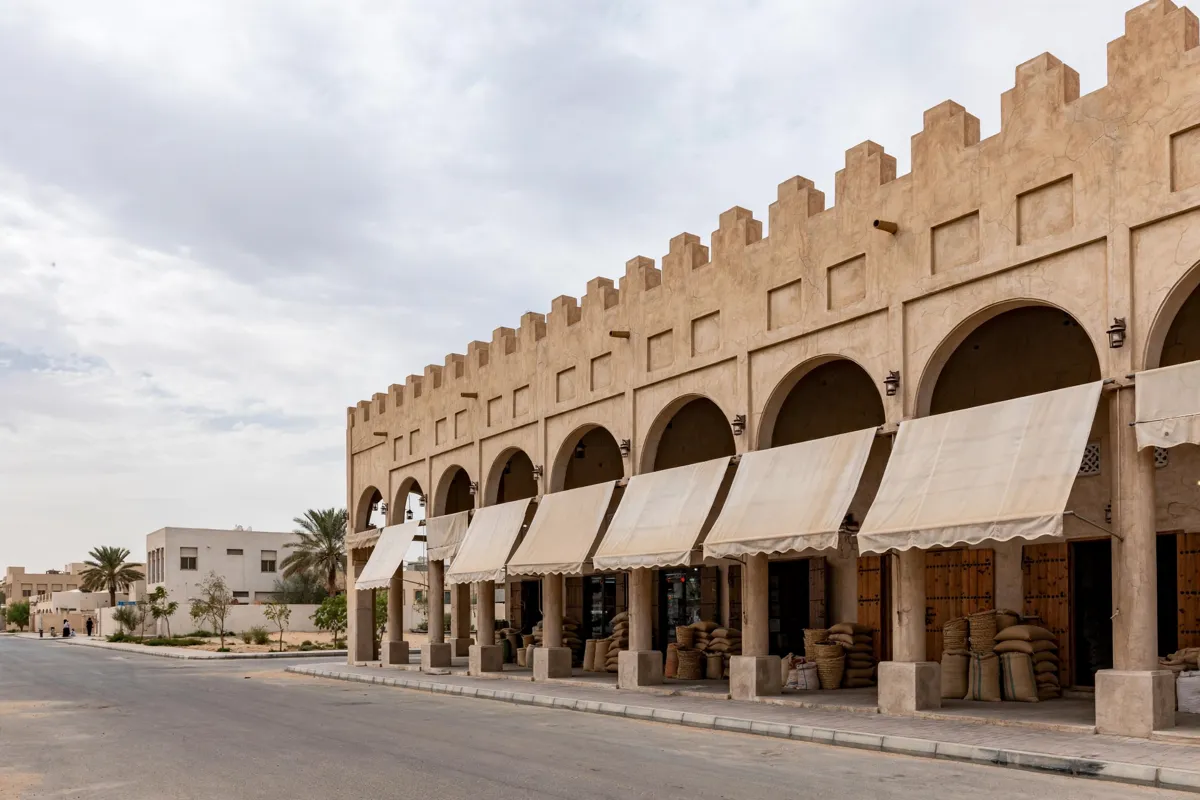
What to expect at Al Qaisariya Souq
Al Qaisariya Souq is a traditional covered market with historic architecture and a wide range of local goods.
The Saudi Press Agency dates the market’s construction to 1238 AH / 1822 CE; UNESCO describes the main historic market as originally built in the mid-19th century.
After fire damage in 2001, it was reconstructed in its original location and form. UNESCO describes the rebuilt market as covering about 6,500 m², with 422 shops, about 1,800 m² of covered corridors and a mosque.
Shop for clothing, fabrics, abayas, handbags, food, utensils, gold and handicrafts. You can also look for spices, oils and local perfumes, as well as locally made bisht cloaks embroidered with gold and silver strips. A traditional café adds another stop within the market.
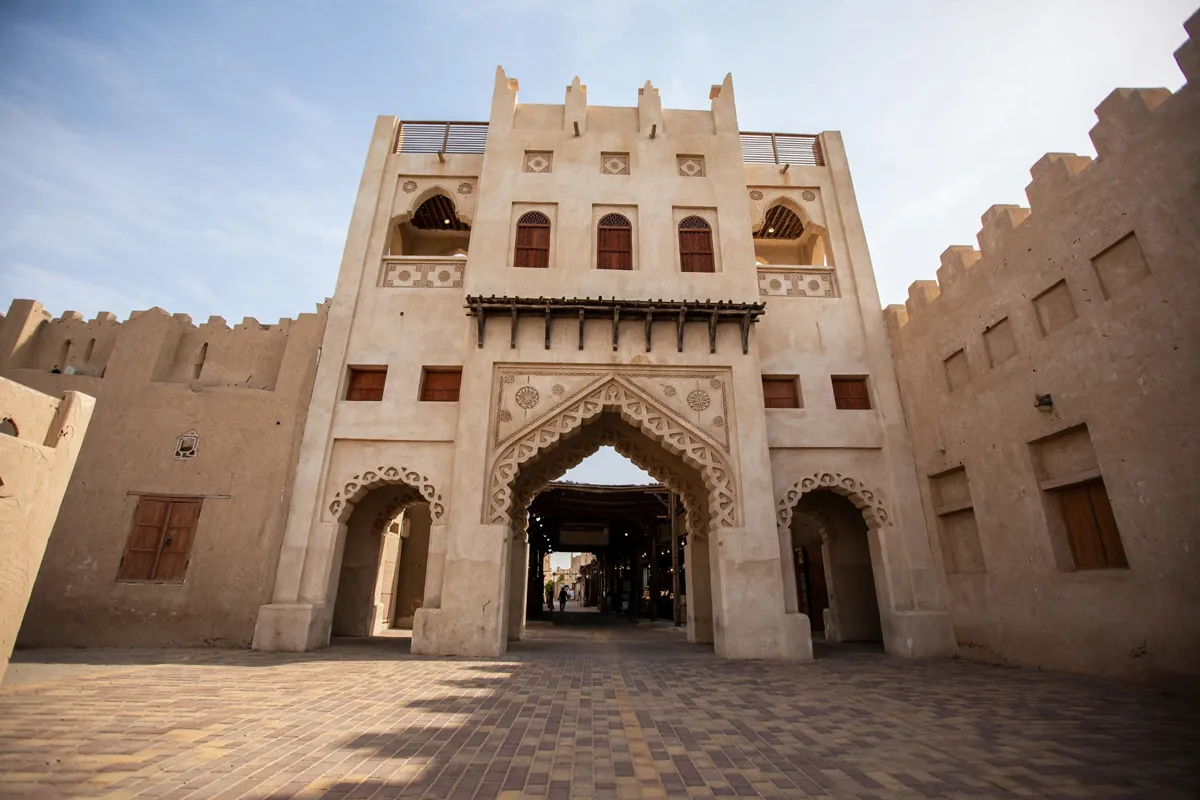
Finding the market in Hofuf
The market is in Al-Rifaa district, central Al-Hofuf, and runs along As-Suwaiq Street.
Two market blocks sit on either side of Al-Hadadeen, or Blacksmiths, Street, joined by an arch over the road. The lanes can feel maze-like, so use the street and the connecting arch as landmarks as you move through the souq.
From Lily Al Hofuf Serviced Apartments Economy, Hofuf city centre is about 38 minutes on foot or 10 minutes by car. The souq is a city-centre visit; confirm directions for the specific entrance you plan to use before setting out.
Shopping and local etiquette
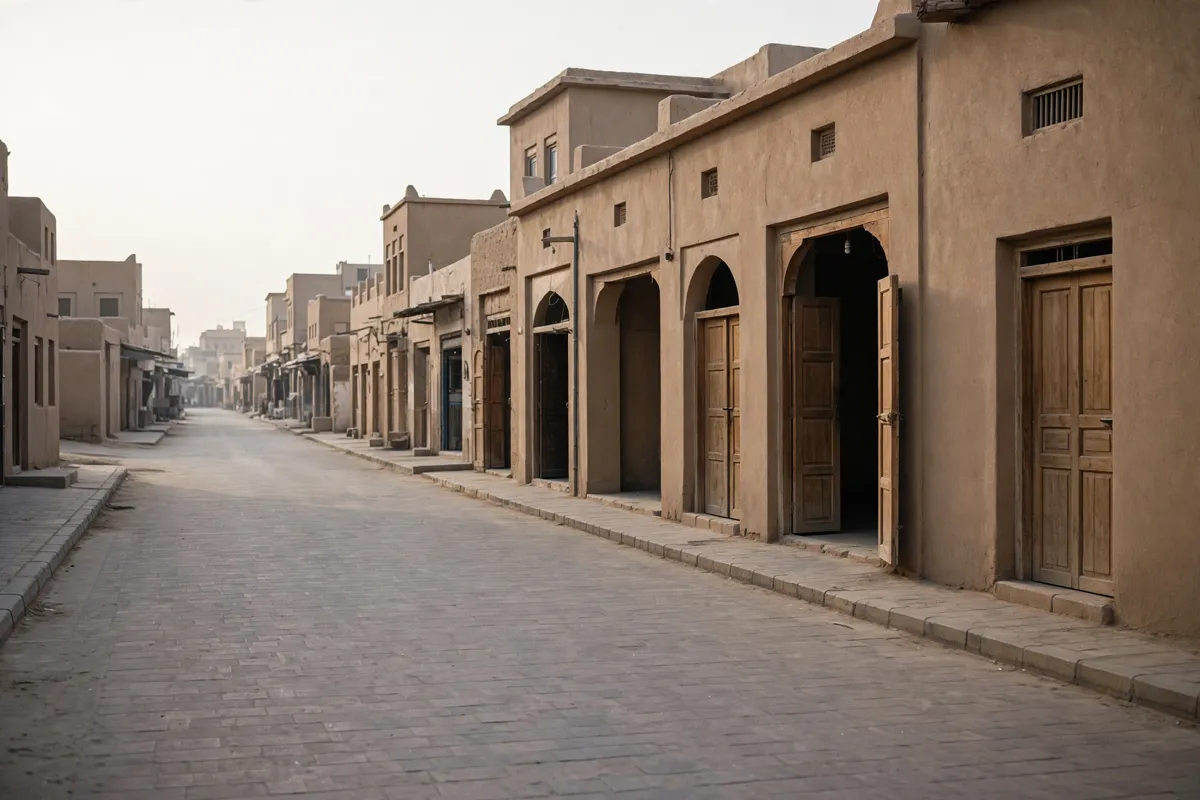
Al Qaisariya Market brings together everyday shopping and traditional crafts, so you can browse a mix of practical goods and locally made items.
Clothing, fabrics, abayas and handbags sit alongside food, utensils, gold and handicrafts. For gifts, look for spices, oils, local perfumes or embroidered bisht cloaks. Take your time in the covered lanes and keep the arch and street layout in mind if you want to retrace your steps.
The market is also part of Hofuf’s heritage setting, rather than a stand-alone shopping stop. To get a broader sense of the central district around the souq, read this practical guide to Hofuf city centre.
Combining the souq with nearby sights
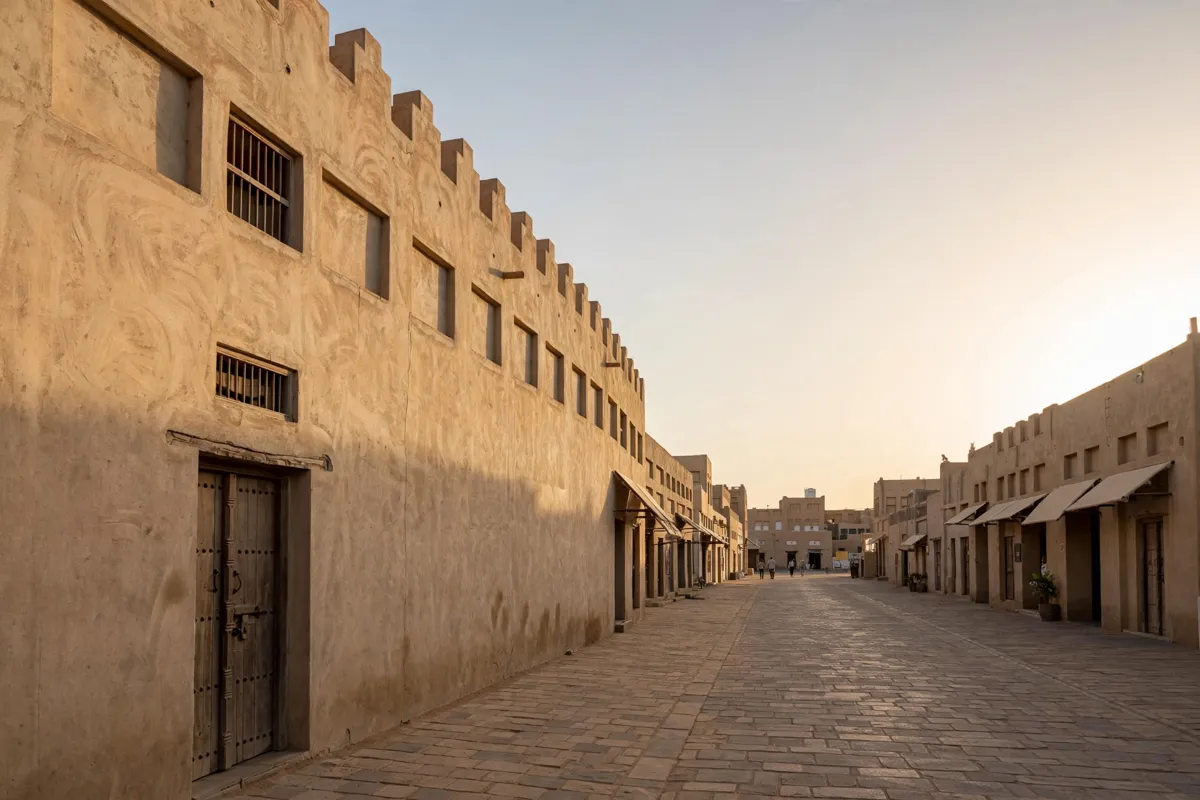
Al Qaisariya Souq fits naturally into a walk through Hofuf’s historic district, where the heritage trail connects several nearby landmarks.
Visit Al-Ahsa’s Historic Hofuf Trail links the souq with a fortress, the House of Culture and a historic school building. You can pair the market with a visit to Ibrahim’s Palace. For background on the palace before you go, read about visiting Ibrahim’s Palace in Hofuf.
Shopping activity is especially dense before and during Ramadan, both by day and at night. For opening hours, check the official site before you go.
FAQs
How old is Al Qaisariya Souq?
The commonly cited construction date is 1822, though accounts differ: UNESCO describes the main historic market as dating to the mid-19th century, and some historians argue the souq may be as much as 600 years old.
What can you buy at the souq?
Goods include clothing, fabrics, food, gold, handicrafts, spices, oils and local perfumes. Locally made embroidered bisht cloaks are another traditional item to look for.
Is Al Qaisariya Souq covered?
Yes. It is a covered market, with corridors running through its historic shopping area.